
RNZ reporting on new health sector report
CICTAR’s Ed Miller has been headlining the news in New Zealand/Aotearoa, outlining the findings of our latest research on health privatization, carried out with the group Public Futures Aotearoa
As well as being quoted on their newspage, Ed was interviewed at length about the findings and implications of the report on RNZ morning radio and is quoted in a detailed piece on media outlet ‘Stuff’:
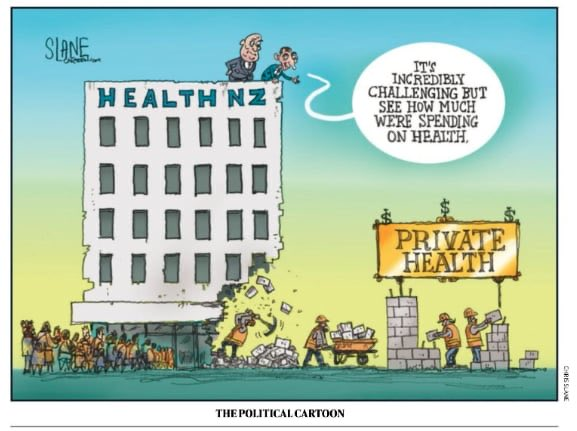
‘Report researcher Edward Miller said the figures showed public money was increasingly supporting a more consolidated private health sector.
“Despite strong public support for a public health system, billions in public funding now flow to an increasingly consolidated corporate health sector, dominated by private equity investors, pension funds, and asset managers,” he said.
There is further coverage of the report on Waatea News here and New Zealand’s Prime Minister was directly challenged on the report’s findings in an interview on RNZ National Radio, from 15 minutes in here
Meanwhile Labour’s health spokesperson directly cited the report at a public meeting, arguing that ‘‘increasing outsourcing of publicly funded healthcare to private providers risked further privatization of the health system” and that the trend “risked shifting New Zealand towards a system where patients faced increasing costs for accessing health care”.
CICTAR’s research has also been used as basis for a powerful opinion piece from Dita de Boni in the New Zealand Post. referring back to our previous work looking into the profits made, and dividends paid by the food supplier, Compass. The piece runs through the findings from the most recent report, concluding:
“Most in-home care workers make around the minimum wage ($23.95) and the most experienced barely make more than $30 an hour. Apparently they cannot be paid more - just like retirement care workers, lab workers, private hospital workers and nurses, ECE workers and others - their private sector employers say, because public funding is insufficient.
Ironic, really, as it always seems perfectly sufficient enough when it comes to dividend day.”